For years, luxury megabrands like Louis Vuitton and Chanel seemed unstoppable. They rode a wave of new wealth, especially from places like China, and watched their products become more coveted, even as prices climbed.
Think about Louis Vuitton’s Capucine bag, launched back in 2013. It wasn’t just a bag; it was a symbol of a brand perfectly aligning with soaring high-end spending. The move helped solidify Louis Vuitton’s place, preventing customers from looking elsewhere.
Yet, despite this seemingly golden era, whispers of trouble are now growing louder. Are these giants of luxury facing a real reckoning?
What’s Shaking the Luxury Landscape?
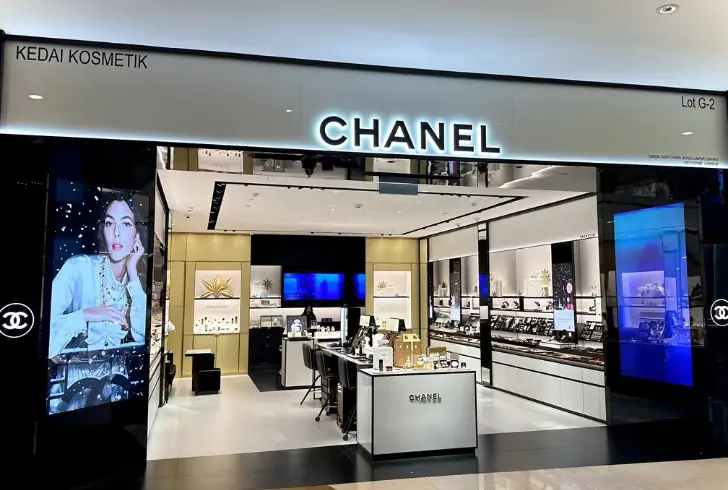
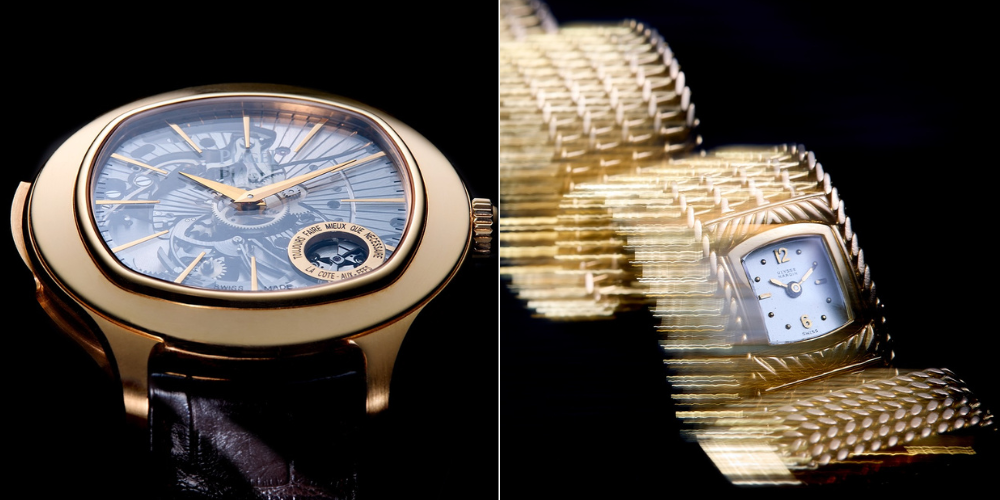
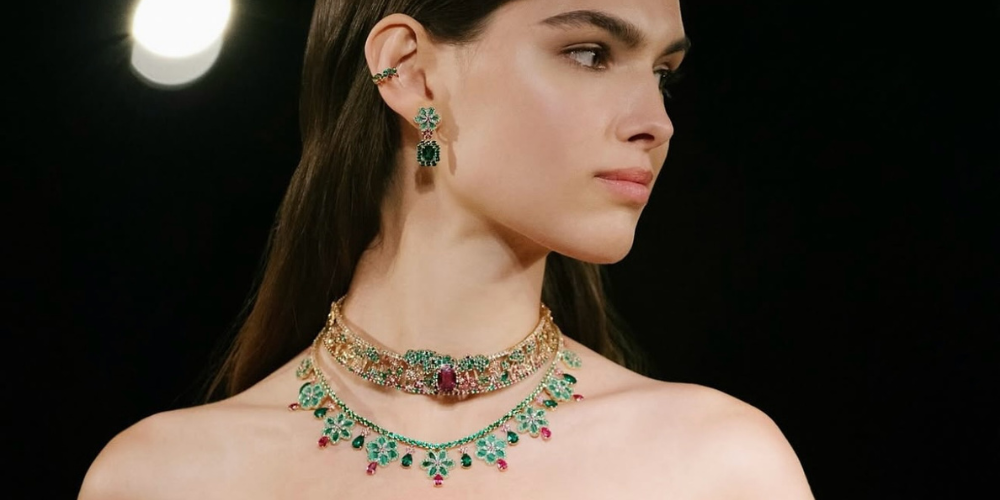
It’s not just one brand struggling; we’re seeing simultaneous challenges at major players like LVMH, Kering, and Chanel. While Kering’s Gucci has faced well-publicized difficulties, even the seemingly bulletproof Chanel and LVMH’s fashion and leather goods division have seen sales momentum falter. This is happening at the same time accessible luxury brands, such as Coach and Ralph Lauren Polo, and even high-end jewelers from Richemont, are gaining significant ground.
Another curious trend involves smaller, more exclusive brands taking market share. In the “quiet luxury” space, labels like Loro Piana and Brunello Cucinelli are thriving. Beyond that, fashion-forward brands like Prada’s Miu Miu have exploded in popularity, more than doubling their size. So, what’s truly going on behind the scenes with these once-dominant megabrands?
The Innovation Gap
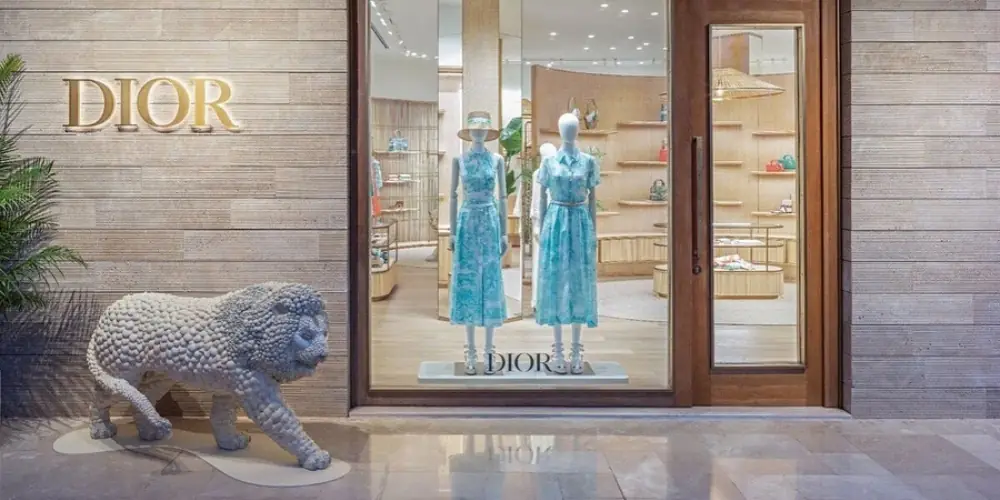
One major factor seems to be a noticeable lack of fresh ideas from the megabrands. Many have struggled to genuinely excite consumers. Some attempts at reinvention have simply fallen flat, or they’ve just offered more of the same. Gucci’s effort to become more classic, for instance, appears to have led them down a dead end. Even Dior, a powerhouse, saw an estimated double-digit sales drop last year, leading to a shake-up in its creative team.
While Louis Vuitton skillfully used collaborations, like those with Takashi Murakami, to keep things vibrant for a while, there are hints of trouble even there. And Chanel, a brand known for its consistent price increases, has actually scaled back those hikes because of lagging leather goods sales.
Shifting Consumer Desires
A key part of understanding the current situation involves looking at who’s buying luxury these days. Fewer completely new customers are entering the market. Historically, these new consumers naturally gravitated towards megabrands to build their foundational luxury wardrobe. They wanted those recognizable pieces.
However, consumers who are already familiar with luxury, those further along their “experience curve,” are looking for something different. They already own the basics. These individuals, often wealthier, crave excitement and new reasons to spend their money. They are more open to experimentation and trying out new brands.
A Perfect Storm of Challenges
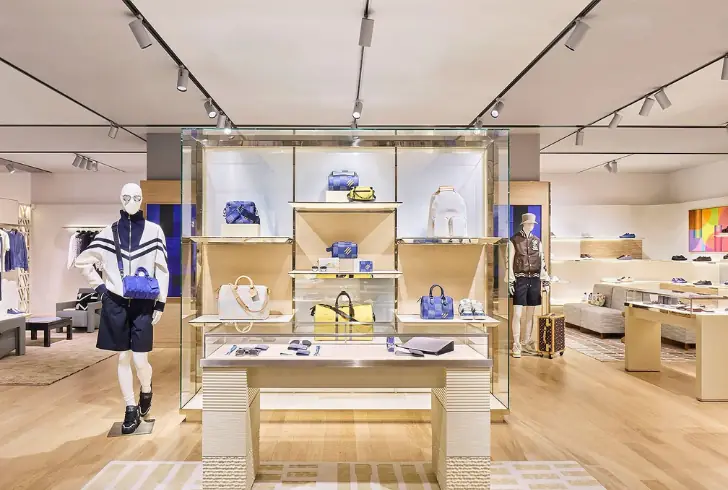
Several factors have converged over the past 18 months, creating a difficult environment for most soft luxury megabrands:
1. China’s Economic Slowdown
China has been a primary source of new luxury consumers, but the ongoing real estate crisis and lower consumer confidence there are having a significant impact.
2. Economic Pressure in the West
Higher inflation, rising interest rates, and concerns about job security are putting a squeeze on middle-class consumers in the US and Europe, who are often a crucial part of the luxury market.
3. Stale Innovation
As mentioned, many soft luxury megabrands have either embraced a “more of the same” approach since the post-Covid boom or simply failed to innovate successfully.
Jewelry’s Value Proposition: Soft luxury brands have significantly raised their prices, making jewelry, in comparison, seem like a better value. Consumers are noticing this shift.
The Path Forward
The challenges facing luxury megabrands are complex, stemming from a mix of economic shifts and changing consumer expectations. While some headwinds may ease in the coming years, these brands must find new ways to ignite consumer passion and adapt to a market that increasingly values novelty and unique experiences. Their ability to innovate, rather than rely on past successes, will ultimately determine their future.