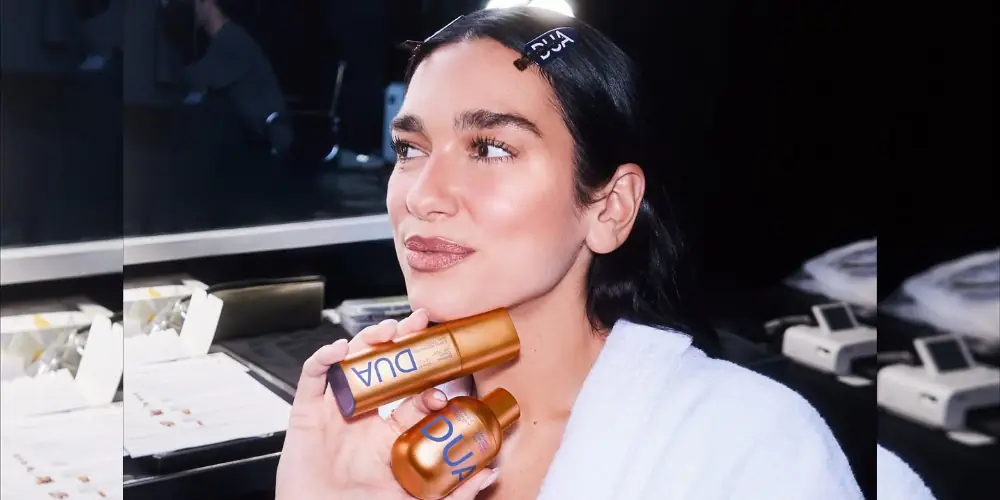
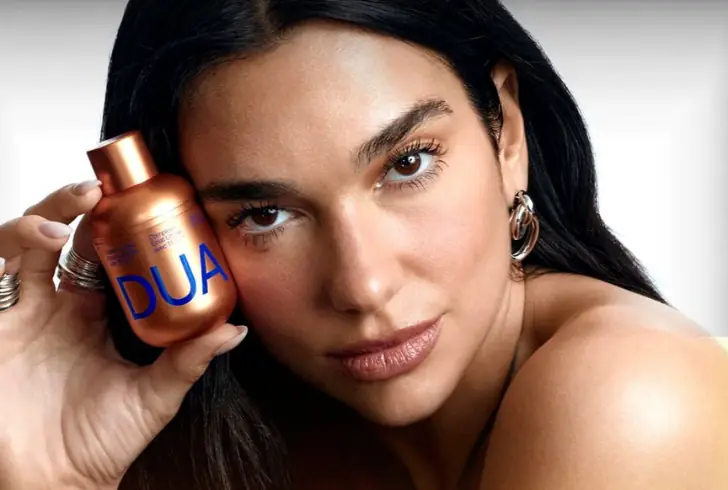
Pop icon Dua Lipa has added a new title to her resume: skincare founder. The Grammy-winning artist recently unveiled DUA, a luxurious skincare line powered by the acclaimed science of Augustinus Bader.
The partnership surprised fans and beauty insiders alike, as it merges the star’s modern, youth-driven appeal with one of the most prestigious names in skincare innovation.
Yet, while the brand aims to attract Gen Z, many young consumers remain skeptical of whether it truly speaks their language or fits their budgets.
A Luxury Collaboration With a Familiar Name
Dua Lipa’s DUA line was developed in collaboration with Augustinus Bader, a German skincare company renowned for its ultra-luxury creams and groundbreaking stem cell research. Founded by biomedical scientist Augustinus Bader and investor Charles Rosier, the brand’s hero products often retail for over $500, justified by their proprietary TFC8 complex, a blend of amino acids and vitamins designed to regenerate skin cells.
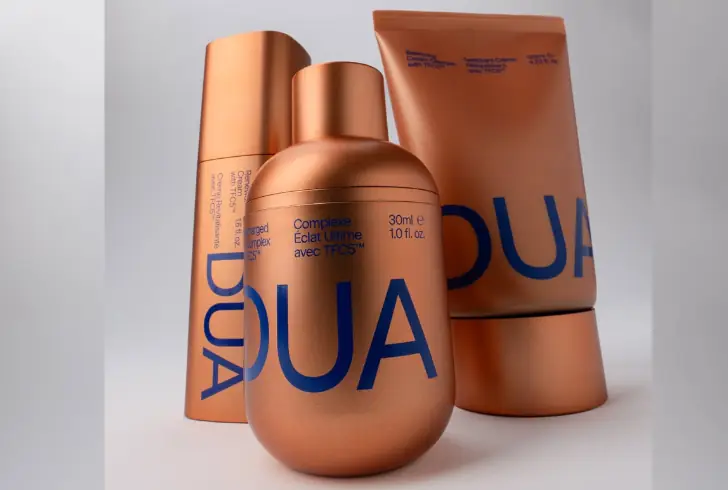
Now, with DUA, the brand introduces a refined formula called TFC5, crafted specifically for younger skin. Rosier describes the launch as an effort to “expand access to advanced skincare technology for a wider, modern audience.”
The concept sounds promising, but Gen Z consumers are already questioning whether “affordable luxury” can truly exist when prices still range from $40 to $80 per product.
Three Products, One Mission
The debut DUA collection features three essentials: a cream cleanser, a daily moisturizer, and an antioxidant serum dubbed the Supercharged Glow Complex. Each formula promises to strengthen the skin barrier, support cell communication, and enhance elasticity. Lipa reportedly took part in product testing and helped refine the texture and scent of each formula.
In her press announcement, the singer explained that she wanted a cleanser that “works hard but still feels gentle on skin.” The line leans heavily into that idea of balance—products meant to give visible results without drying or irritating the complexion. Even the pared-down packaging reflects the clean, neutral style Gen Z often gravitates toward.
The Price Problem
Despite the thoughtful branding, Gen Z shoppers aren’t exactly racing to check out. With so many budget-friendly skincare staples available at drugstores and online, DUA’s pricing stands out—just one moisturizer costs as much as several top sellers from CeraVe or The Ordinary.
Industry experts warn that this could push younger consumers away. Within hours of the launch post, social media was filled with jokes: “So $80 is affordable now?” one user asked. Another added, “Gen Z doesn’t need luxury skincare—they need the cost of living to go down.”
A Changing Beauty Landscape
Pricing isn’t the only challenge. The beauty market has become saturated with celebrity lines, and shopper fatigue is real. In recent years, several well-known stars have struggled to keep their beauty brands afloat. Consumers want formulas that work and a message that feels genuine—not just celebrity involvement.
Dua Lipa may be one of the biggest pop stars of her generation, but fame doesn’t automatically translate into credibility in skincare. Younger buyers can quickly sense when a brand feels disconnected from their budgets or their everyday routines.
Gen Z’s Unique Relationship With Skincare
Gen Z grew up with ingredient lists, online reviews, and dermatologists on TikTok. They fact-check claims in real time and don’t buy luxury just because it’s luxury. They want transparency and proof.
DUA’s science-heavy marketing leans on Augustinus Bader’s TFC technology, but the brand hasn’t provided peer-reviewed studies. Without transparent research, many Gen Z shoppers remain skeptical.
A Push for Accessibility
Even so, the collaboration signals a notable play in luxury skincare. Augustinus Bader’s decision to offer more affordable price points could help younger buyers try the brand for the first time. Rosier said the goal is to “make advanced skincare more culturally relevant.” Whether that translates into repeat customers is still unclear.
Some industry watchers think DUA could serve as a gateway into higher-end beauty. Others suspect that without a stronger story, the line may struggle to stand out amid fierce competition.
Why the Reaction Matters
The response to DUA reflects broader beauty-industry trends. Celebrity brands must now demonstrate real value to stay afloat. Rhode and Fenty Skin have succeeded by being transparent, reasonably priced, and thoughtfully designed. DUA sits somewhere between prestige and approachability, which can be a tricky position.
Many admire Dua Lipa as an artist, but convincing Gen Z that her skincare has value beyond a celebrity label is another story.
The Future of Celebrity Beauty
The beauty world is evolving fast. Brands that succeed now are the ones rooted in community, science, and inclusivity—not just star recognition. For DUA to thrive, the formulas need to prove themselves. Until then, many young shoppers are taking a wait-and-see approach.
Still, the line reflects a broader shift in beauty culture: a move toward transparency and real-world value. Regardless of how DUA fares, the conversation around celebrity brands is changing.