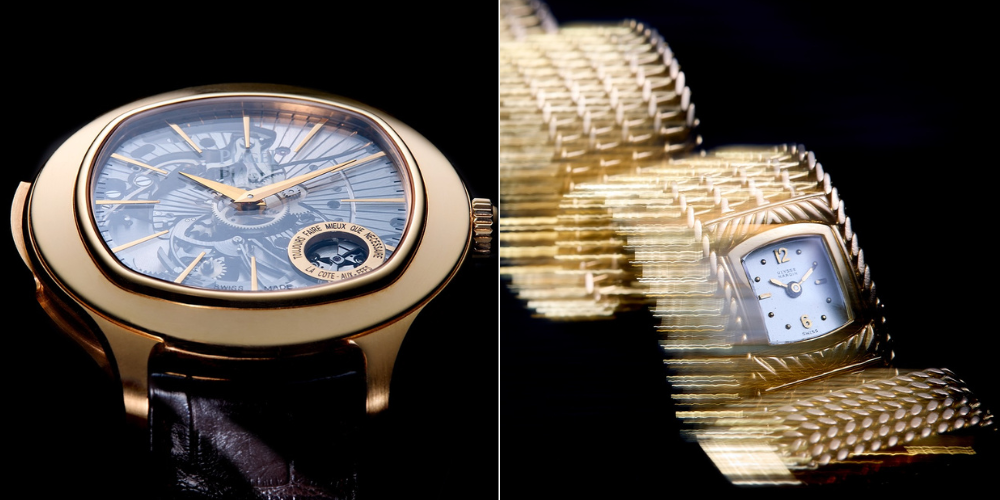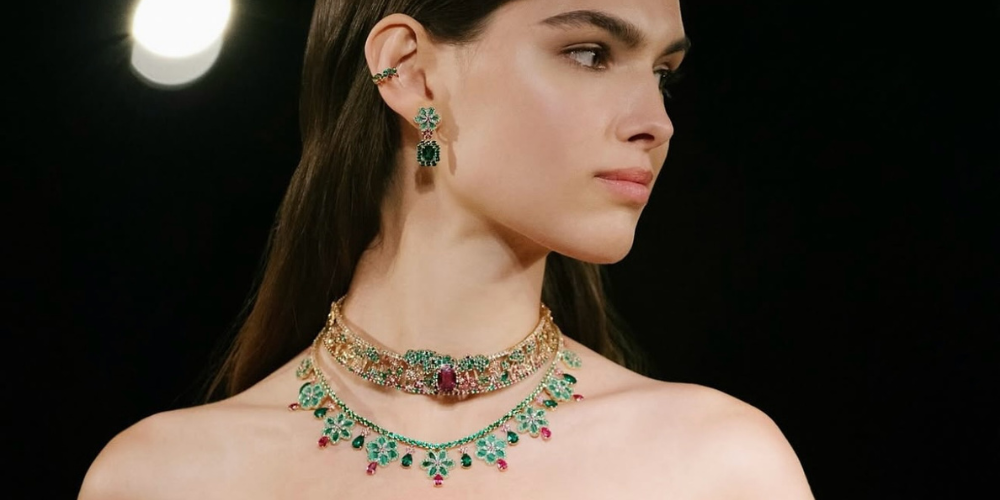

Spending a $2,500 on a luxury handbag seems to be as common as buying a pair of $10 shoes from Target these days. With higher purchasing power and increase in consumerism, expensive luxury goods have an incredible appeal to the younger generation.
The quality of luxury goods is undeniable: the unique design, the recognizable logo, good leather quality and better comfort add to their appeal – but the price tag can be pretty off-putting.
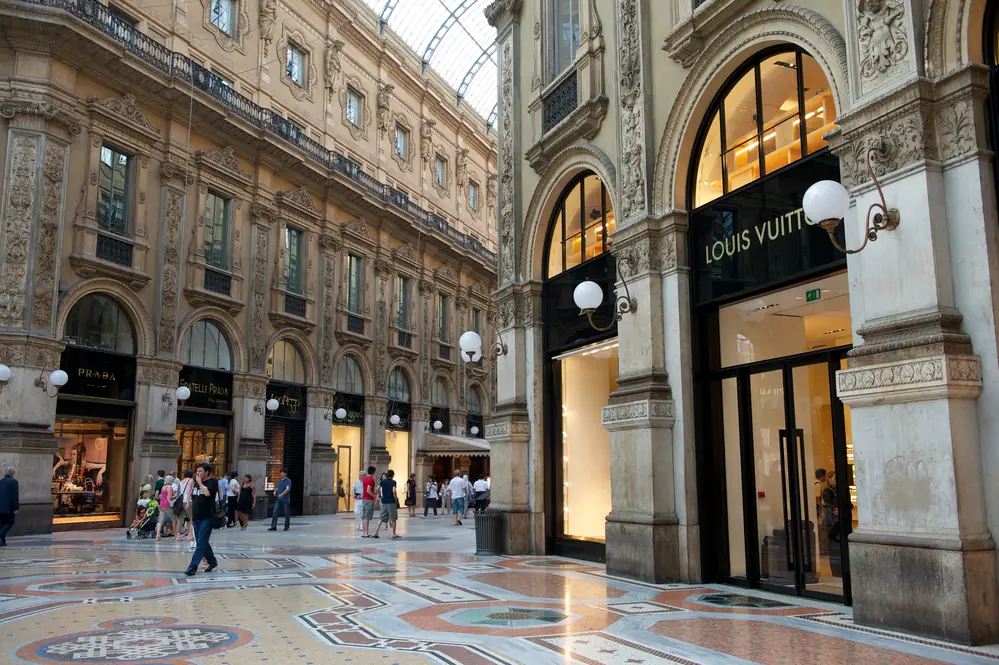
It makes sense to buy luxury goods if you have a really well-paying job or impeccable saving habits. But for people who don’t have the means to get a Gucci or Louis Vuitton bag, but do it anyway have to spend months, and even years trying to pay down their credit card bills.
Wise Purchase or Irrational Consumerism?
We all know that people can be irrational at times, and brands know how to leverage the consumers’ psychology to their advantage.
The average household debt in America is at an all-time high and most of it is owed to people’s irrational spending habits. It’s safe to say that people don’t always make the smartest financial investments and luxury consumer goods are a great example of how little we care about our own financial well-being in the long-term.
A decent handbag at a high-street fashion brand like Zara or Mango can cost $50 on average, so what makes it okay to make the price jump to thousands of dollars just to be seen with a specific brand logo. It has everything to do with how we perceive the value of certain products.
Most consumers tend to overlook the disadvantages of a certain purchase while focusing just on positive aspects of it. This definitely works in the favor of the luxury brands who make billions of dollars in profits due to consumer psychology.
Does Luxury Equal Quality?

Look at Apple for example. There are plenty of smartphone brands like Samsung and Huawei which offer similar products – but without Apple’s unique logo.
The company has built an army of loyal customers who wait for hours in line to get their hands on the latest iPhone or Macbook, even though these devices aren’t really technologically superior to other substitutes on the market. So why buy Apple when you can get the same quality in a brand that is far less expensive.
Apple is one of the best performing company in the tech industry because it has set itself apart from the rest by branding its goods as ‘luxury’ and creating a perception in the consumers’ minds that the other non-luxury goods are of inferior quality.
Most people shell out thousands of dollars on luxury products thinking that they are getting their money’s worth in terms of better quality and design, but in reality, they aren’t really getting what they’re paying for. It makes absolutely no sense for a bag to be priced over $5,000 unless it’s made out of gold.
Self-Esteem and Luxury Products
A study published in the Journal of Experimental Social Psychology cites self-esteem as the biggest factor in influencing consumers’ purchase decisions. Most people living paycheck to paycheck see luxury goods as a great way to boost their self-esteem.
Luxury is often used as a way to show status and class in countries like China. Now with the convenience of online shopping and consumers’ hedonistic tendencies, you can spend $500 in a second on a luxury scarf with the iconic Gucci or LV logo.
Buying luxury can be an extremely therapeutic shopping experience, giving buyer a sense that they’ve made the right decision, especially if they’re feeling blue or lacking self-esteem.
Some people even see buying luxury as a sense of accomplishment. Gone are the days when people used to celebrate promotions with a cake or a party. Now financial success means treating yourself to a pair of Chanel logo earrings that will set you back about $1,000.
There are so many reasons why people buy luxury and almost all of them are related to emotions and the value they attach to material goods. Whether we can afford luxury or not, we wish to own expensive items as a way to seek acceptance from the society or reward ourselves for financial accomplishments.