

The Synapse fintech crisis has become one of the most alarming financial collapses in recent years, leaving thousands of Americans without access to their savings. What seemed like a seamless, tech-forward solution for managing money has turned into a cautionary tale about trust, oversight, and the fragility of fintech systems.
This debacle has exposed major flaws in how fintech companies manage customer funds and the devastating consequences when those systems fail.
How Did the Synapse Fintech Crisis Happen?
The Synapse fintech crisis erupted in May after a messy dispute between Synapse, a fintech service provider, and Evolve Bank, one of its banking partners. Synapse was the behind-the-scenes engine for popular fintech platforms like Yotta and Juno. Thus, it was helping these startups offer checking accounts and debit cards without being banks themselves.
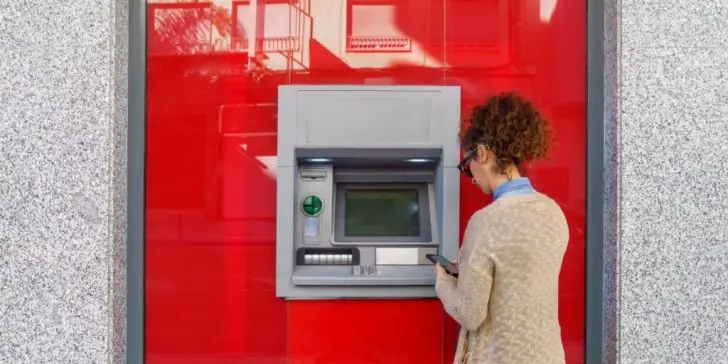
Overnight, savings that many believed were safe and accessible vanished into thin air. Thus, leaving depositors stunned and searching for answers.
Thousands of Americans See Their Savings Vanish
The fallout from the Synapse fintech crisis revealed a staggering $96 million shortfall in customer funds. A court-appointed trustee overseeing the aftermath reported that efforts to reconcile the missing money have been futile. Synapse’s bankruptcy estate is so strapped for cash that it has not even been able to hire experts to untangle its financial records.
The missing funds have raised serious questions about how money was handled between Synapse, fintech platforms like Yotta, and their partner banks. Customers were left asking: How could millions of dollars simply vanish without anyone noticing?
How Customers Were Misled?
For many affected by the Synapse fintech crisis, the biggest shock wasn’t the financial loss but the betrayal of trust. Customers were under the impression that their funds were backed by FDIC insurance. Something that is designed to protect deposits in case of a bank failure. However, the reality was more complicated.

Thus, this layered setup meant that when Synapse collapsed, the entire chain broke down, leaving customers stranded.
The Human Cost of the Crisis
The Synapse fintech crisis has taken a devastating toll on everyday Americans. Stories have poured in of individuals losing access to money they depended on for rent, groceries, or emergencies. The emotional toll of realizing your hard-earned savings are gone is immeasurable.
One Juno customer described their experience as a “complete nightmare,” saying they had no idea their deposits were at risk. However, these are not isolated stories. Thousands of people are now facing financial uncertainty with little hope of recovery. For many, the impact will last far beyond the headlines.
What Went Wrong Behind the Scenes
The Synapse fintech crisis didn’t happen overnight. It was the result of systemic issues that were overlooked until it was too late. Financial experts believe poor management, lack of regulatory oversight, and the complex relationship between fintech startups and their banking partners created the perfect storm.
Essentially, Synapse acted as a middleman between banks and fintech platforms. But it failed to maintain proper financial controls. A law firm investigating the collapse reported “gross mismanagement” as one of the root causes. This highlights a glaring problem in the fintech space: When responsibility is divided among multiple parties, no one is fully accountable.