

In the fast-paced world of business, efficiently managing inventory is crucial for success. But how do you know if you’re striking the right balance between having enough stock to meet customer demand and avoiding excessive storage costs? The Inventory Turnover Ratio comes to the rescue!
Let’s delve deeper into what the Inventory Turnover Ratio is, how it’s calculated, and how understanding it can empower you to make smarter business decisions.
What is the Inventory Turnover Ratio?
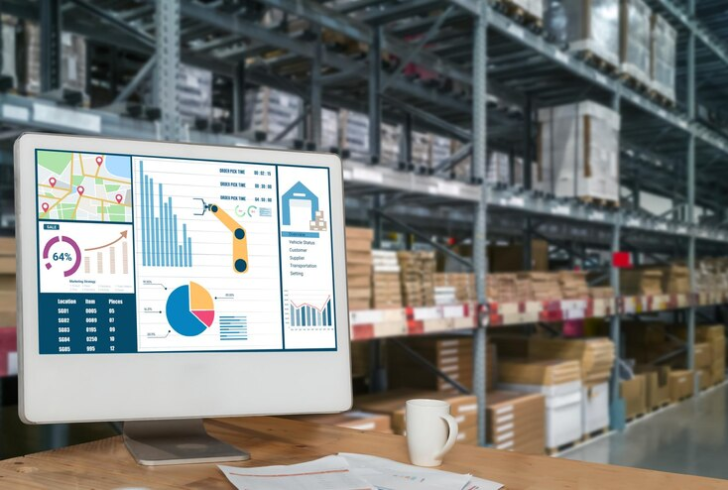
The inventory turnover ratio is a financial metric that sheds light on how a company manages its inventory. It measures how many times a company sells and replenishes its stock of goods over a specific period, a year.
Imagine a store that sells fresh bread. A high inventory turnover ratio for this store would state that they’re selling out of bread and restocking with fresh loaves, minimizing how long bread sits on the shelves.
Why is the Inventory Turnover Ratio Important?
A well-managed ITR offers several advantages:
- Reduced Holding Costs: Storing inventory comes with costs, such as rent for warehouse space, insurance, and potential spoilage for perishable items. A high ratio implies less inventory is sitting idle, minimizing these holding costs.
- Increased Sales: When inventory moves, it suggests strong product demand. This translates to higher sales and allows the company to negotiate better bulk purchase discounts with suppliers.
- Improved Cash Flow: Faster inventory turnover means a company collects money from sales. This translates to a healthier cash flow, which is vital for business operations and future investments.
How to Calculate ITR
ITR = Cost of Goods Sold (COGS) / Average Inventory Value
Here’s a breakdown of the terms:
- Cost of Goods Sold (COGS): This represents the direct costs associated with producing the goods a company sells.
- Average Inventory Value: This is calculated by adding the value of inventory at the beginning of a period to the value of inventory at the end of the period, and then dividing the sum by 2.
By plugging these values into the formula, you can determine how many times a company has turned over its inventory during the specified period.
Interpreting the Inventory Turnover Ratio

There’s no one-size-fits-all answer to what is a “good” inventory turnover ratio. It varies across industries. For instance, a grocery store will naturally have a higher ratio compared to a car dealership that sells high-value vehicles.
Generally, a higher inventory turnover ratio is seen as favorable. It indicates efficient inventory management and strong sales. But, an high ratio might also suggest insufficient inventory levels, leading to stockouts and lost sales opportunities.
A low ratio could signal weak sales or excess inventory. This could be due to various factors, such as poor product demand, ineffective marketing strategies, or outdated inventory management practices.
Limitations of the Inventory Turnover Ratio
While the ITR is a valuable tool, it’s essential to consider its limitations:
- Industry Variations: As mentioned earlier, ideal inventory turnover ratios differ across industries. Comparing a clothing store’s ratio to a construction equipment company’s ratio wouldn’t be very insightful.
- Seasonal Fluctuations: Some businesses experience seasonal peaks and troughs in demand. This can affect the inventory turnover ratio. A high ratio during peak season might not reflect the entire year’s performance.
- Cost Fluctuations: The inventory turnover ratio uses COGS, which can fluctuate due to variations in raw material prices or production costs. This can impact the accuracy of comparisons over time.
Optimizing Your Inventory Turnover Ratio
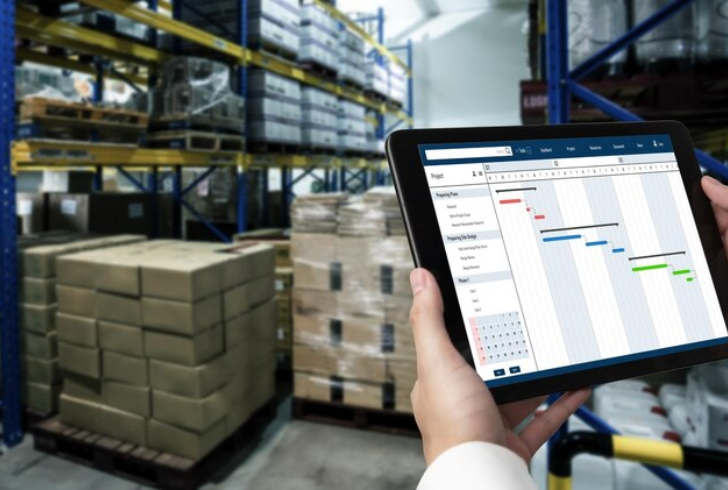
Companies can implement various strategies to improve their inventory turnover ratio:
- Demand Forecasting: Predicting customer demand allows for better inventory planning and reduces the risk of overstocking or understocking.
- Inventory Management Software: Technology can streamline inventory tracking, optimize ordering quantities, and minimize stockouts.
- Negotiating with Suppliers: Negotiating favorable payment terms and lead times with suppliers can improve cash flow and flexibility in managing inventory levels.
The ITR is a powerful tool for businesses to assess their inventory management efficiency. By understanding this ratio and its limitations, companies can make informed decisions on inventory levels, and purchasing strategies, and maximize their profitability.