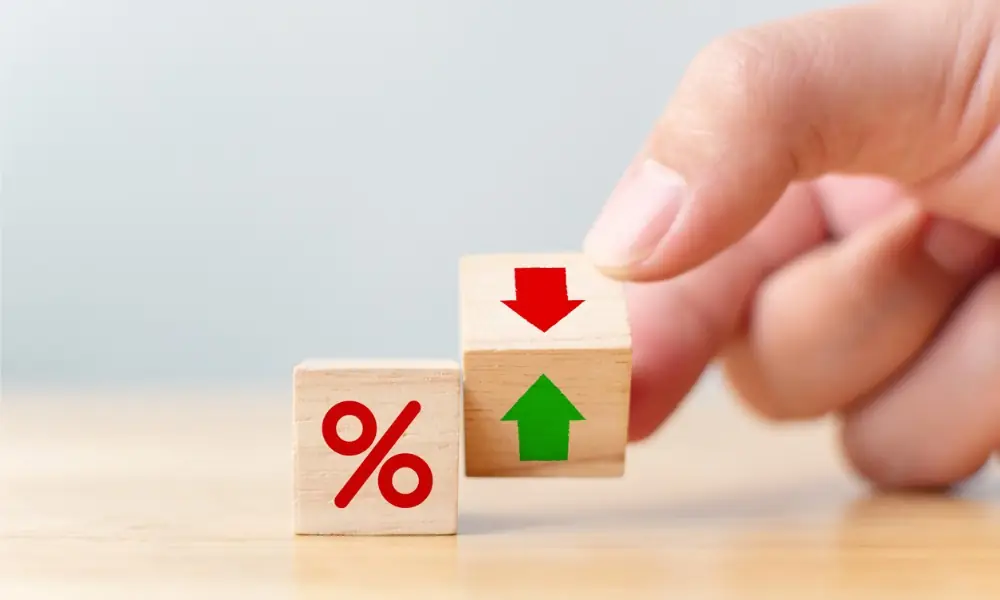
Navigating a high-interest rate environment can be challenging for individuals, businesses, and the economy. When interest rates are high, borrowing becomes more expensive, saving becomes more attractive, and economic growth may slow. This article will explore the dos and don’ts for individuals and businesses during periods of high interest rates.
Dos:
Prioritize Debt Repayment:
During times of high interest rates, it is crucial to prioritize debt repayment. High interest rates mean that the cost of borrowing increases, making it more expensive to carry outstanding debts. Focus on paying down high-interest loans and credit card balances to reduce the overall interest burden and improve your financial stability.

Refinance Existing Loans (If Feasible):
Refinancing might be viable for individuals and businesses with outstanding loans when interest rates are high. Refinancing involves replacing an existing loan with a new one at a lower interest rate. Refinancing can help reduce your overall interest expenses and ease financial pressures if you can secure a lower interest rate.
Build a Savings Cushion:
High-interest rate environments can be unpredictable, and financial emergencies may arise. An emergency savings fund is essential for a safety net when unexpected expenses occur. Having a cushion of savings can help you avoid accumulating additional debt during tough times.
Consider Fixed-Rate Loans:
Consider fixed-rate loans instead of variable-rate loans if you need to take on new debt during high-interest rate periods. Fixed-rate loans maintain a consistent interest rate throughout the loan term, providing stability and protection against potential interest rate hikes.
Invest In Bonds and Fixed-Income Securities:
With high interest rates, bonds and other fixed-income securities become more attractive investment options. These investments offer higher yields during high-rate environments, appealing to investors seeking steady income and capital preservation.
Explore High-Interest Savings Accounts:
While borrowing becomes more expensive during high-interest rate periods, it also means that savings accounts and other interest-bearing accounts tend to offer higher returns. Look for high-yield savings accounts or certificates of deposit (CDs) to make the most of your savings.
Don’ts:
Take On Excessive Debt:
Resist the temptation to take on excessive debt during high-interest rate periods. High interest rates mean higher borrowing costs, making it riskier to carry significant debt burdens. Avoid taking on loans for unnecessary expenses and focus on managing existing debts responsibly.
Rely Heavily On Variable-Rate Loans:
Variable-rate loans are linked to benchmark interest rates and can fluctuate with rate changes. Interest on variable-rate loans can rise during high-interest periods, increasing monthly payments and financial strain. Avoid adopting new variable-rate loans or ensure you can afford potential payment increases.

Ignore Inflation:
Inflation tends to rise during periods of high interest rates. Failing to account for inflation in your financial planning can erode your purchasing power and negatively impact your savings. Consider investments that can outpace inflation to maintain the value of your money.
Make Hasty Investment Decisions:
While high-interest rate environments present unique investment opportunities, avoid making hasty or impulsive investment decisions. Conduct thorough research and seek advice from financial professionals before making investment choices. Consider your risk tolerance and long-term financial goals to create a balanced and diversified investment portfolio.
Forget To Negotiate:
Don’t hesitate to negotiate with lenders for better terms if you have existing loans or credit card balances. Some lenders may be willing to work with you to adjust interest rates or offer promotional rates to retain you as a customer. Always explore the possibility of negotiation to save on interest costs potentially.