Google’s internet services including Gmail and its search engine are blocked in China but the tech giant is still a dominating force in the country’s tech market behind the scenes. Now it is planning a broader expansion strategy in the region with the help of local allies who depend on Google’s developer tools and services for survival in a highly competitive industry.
Google’s Dominance in the Chinese Market
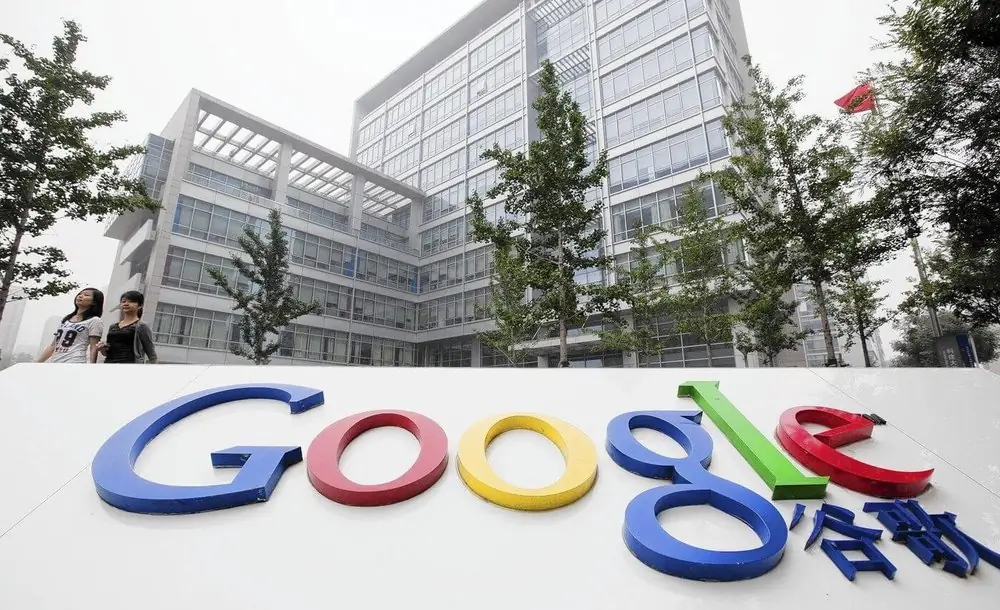
China blocked Google’s internet services in 2011 and locals can’t use its browser, search engine or mailing service to this day. But that didn’t stop the Silicon Valley giant from creeping into the country’s tech industry through the back door.
Many Chinese companies like smartwatch maker Mobvoi rely heavily on Google to power their electronic devices. Mobvoi uses the internet giant’s software in its smart speakers and smartwatches, whereas the brand’s app is made using Google’s TensorFlow – a set of free developer tools for software engineers. But that’s not it. Mobvoi also buys Google ads to advertise its products outside mainland China.
The CEO of Mobvoi, Zhifei Li, says that Google isn’t just software or an internet service; it’s an entire ecosystem – one that his company’s survival depends on. Google has also bought a small stake in Li’s tech startup. Google retreated from China’s market eight years ago as a sign of protest against government-level hacking and censorship, and ever since, it has courted a number of local allies including Mobvoi to maintain a foothold in the country.
Even though Google isn’t able to profit from its core services like Gmail, YouTube and the search engine in China, the company has still managed to win the support of other local startups and developers by offering them the technical tools they need to run their businesses and market their products and services to global customers.
Project ‘Dragonfly’
Sources within the company say that Google is now planning a bigger expansion strategy in China, and it is hoping to reintroduce its services in the country with the help of its local allies. According to insider reports, the tech giant is developing a new version of its search engine that meets China’s strict censorship requirements. The project dubbed under the name ‘Dragonfly’ could only become successful if the Chinese government approves it. Local allies are already keen to help Google to regain control over China’s highly coveted tech market.
Beijing-based Marbridge Consulting’s managing director, Mark Natkin, said that the Chinese government is keen on supporting its domestic champions which is why Google has been working closely with local allies to make a case that it has made significant contributions to the country’s economy.
In the current geopolitical conditions with Chinese authorities placing trade restrictions on U.S.-made goods and services, it is far from certain whether Google will be able to succeed in its efforts to win over the Chinese market.
The country’s authorities have a reputation for banning U.S. tech giants in favor of their homegrown champions. But Google faces ever more backlash from critics back home who claim that the company would be violating human right by adhering to China’s strict censorship regime.
Plans for a Comeback
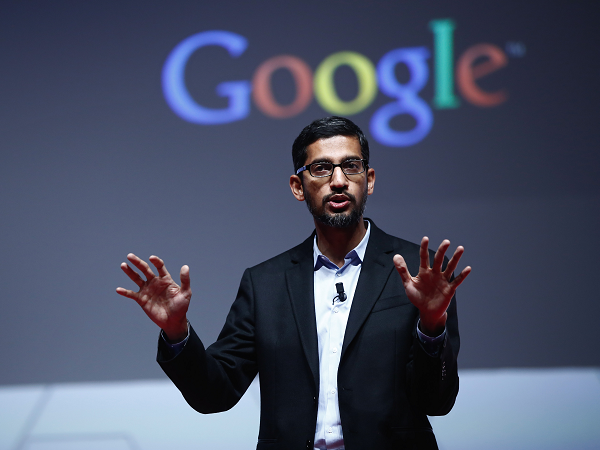
In his three-year tenure as Google’s CEO, Sundar Pichai has visited China frequently, meeting with local authorities and businesses to promote the use of Google’s free developer tools like TensorFlow. Google’s mobile operating system, Android, is also used in almost all Chinese smartphones, giving the search engine giant enough leverage to negotiate its return in the mainstream market.
Furthermore, Google has also invested millions of dollars in Chinese businesses over the past few years. In 2018 alone, the company bought a 1% stake in JD.com, an online retailer, for $550 million. It also made investments in other startups including video-streaming platform, Chushou, and a truck-renting company, Manbang Group.
Google has already discussed the possibility of offering its cloud-hosting services through local data centers in China. The company’s executives say that Google technically never left the country. It still has over 700 employees, mostly salespeople and engineers – working in the region with other local businesses. Ever since Pichai became CEO in 2015, Google has increased its employee base in China and has also set up on AI research facility in Beijing.