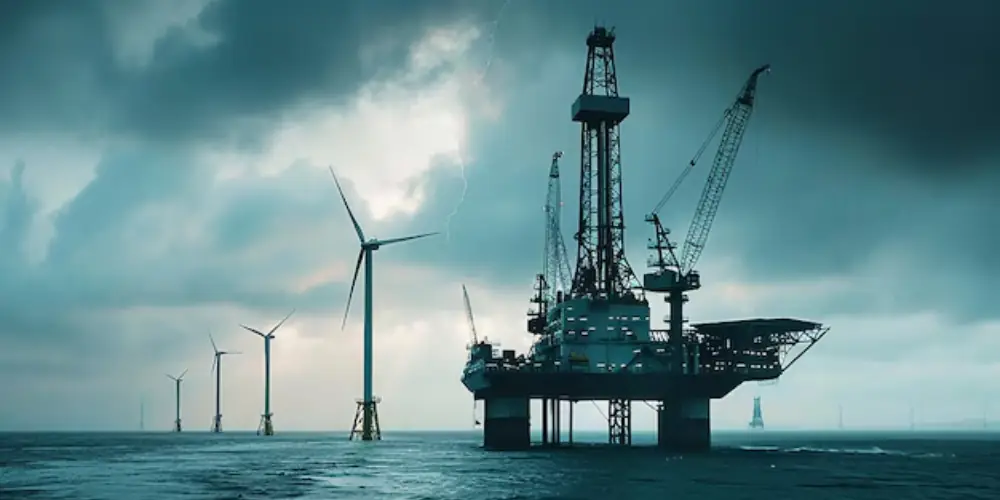
The oil and gas industry has powered economies for over a century, fueling modern infrastructure, transport, and technology. But the same resources driving growth also carry environmental costs and rising social concerns. In response, energy giants are slowly shifting toward green investments.
This move might seem surprising, especially when fossil fuels remain profitable. Yet, the reasons go beyond public image. For companies like Shell, BP, ExxonMobil, and Chevron, green projects serve as both insurance and opportunity in an uncertain future.
Diversification and Financial Motivation
Like financial planners advise individuals to diversify their investments, energy companies also diversify to withstand volatility. Oil markets fluctuate in response to politics, wars, and shifting demand, so renewable projects offer a hedge.
Clean energy also unlocks new revenue. Customers and governments increasingly prefer low-carbon power, and companies want to capture that demand. By training their workforce and investing in biofuels, hydrogen, and renewable gas, oil majors prepare for a market shift without abandoning their expertise.
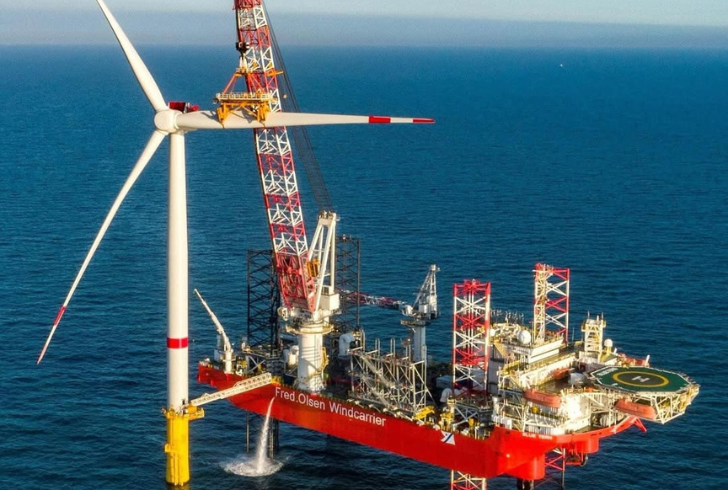
Some initiatives also cut costs. Several companies use solar or wind to power drilling sites, reducing fuel expenses. Others focus on energy efficiency in operations, lowering emissions while protecting profits. In short, diversification makes business sense.
Public Pressure Is Changing the Game
Economic incentives alone don’t explain the move toward renewables. Growing public and political pressure plays a major role. Climate lawsuits, activist campaigns, and shareholder demands push oil companies to show accountability.
Global policies also apply pressure. Europe leads with stricter carbon reduction laws, while Asian and Middle Eastern governments seek a balance between economic growth and sustainability. These shifts force oil giants to demonstrate commitment to cleaner operations.
Some companies set ambitious goals to reduce emissions from their operations and the products they sell. Critics question whether these pledges are achievable, but the announcements show that reputational pressure is shaping strategy.
Greenwashing or Real Commitment?
Not every green investment signals deep transformation. Companies like BP and Equinor have rebranded themselves as “energy companies” instead of “oil companies.” While they’ve acquired clean energy businesses, critics argue that many of their moves are more symbolic than structural.
This perception of “greenwashing” sparks skepticism. Investors and environmental groups often accuse oil majors of promoting small renewable projects while keeping the bulk of their portfolios in oil and gas.
Yet, there are success stories. Denmark’s Ørsted, formerly Danish Oil and Natural Gas, has shifted almost entirely into offshore wind and become a global leader. That transformation required bold political and financial backing—conditions not every oil company enjoys.
The Role of National Oil Companies
Government-owned companies add another layer to the discussion. Giants like Saudi Aramco, Gazprom, and China National Petroleum Corp. control most of the world’s oil reserves. Their revenues fund national economies, making a complete shift to renewables a complex undertaking.
Still, even these players invest in clean energy, signaling awareness of long-term risks. Aramco, for example, has supported renewable projects while arguing that oil and gas cannot be phased out entirely. For these companies, balancing national priorities with global climate goals remains one of the most significant challenges.
Lessons From Simulation and Real-World Risks
The oil industry faces a dilemma similar to resource management games like the MIT Fishbanks simulation. In the game, companies overfish for short-term profit, causing the collapse of both fish populations and business opportunities.

The oil industry faces a dilemma similar to resource management games like the MIT Fishbanks simulation. In the game, companies overfish for short-term profit, causing the collapse of both fish populations and business opportunities.
The parallel is striking. Extracting fossil fuels delivers immediate gains but accelerates climate damage, threatening long-term business stability. Students in the simulation sometimes cooperate to preserve fish stocks, showing that shared responsibility can protect both business and the environment.
In the real world, oil giants must weigh the same choice: chase short-term profit or balance growth with sustainability.
Can Big Oil Reinvent Itself?
The big question is whether oil companies can reinvent themselves as true leaders in clean energy. For now, most hedge their bets, keeping oil and gas at the core while sprinkling investments in renewables.
Yet, market forces, technology, and climate urgency may accelerate change. Carbon pricing, breakthroughs in renewable energy, and investor demand could prompt companies to move even further into clean energy. The scale of transformation will likely differ by region, leadership, and public policy.
What’s clear is that the industry stands at a crossroads. Each decision—whether to expand oil drilling or scale up renewables—shapes not just profits, but the global energy future.
Shaping Tomorrow’s Energy Landscape
Oil and gas companies no longer operate in a vacuum. Market volatility, environmental risk, and social expectations force them to rethink strategy. By investing in clean energy, they balance profit with resilience and position themselves for the transition already underway.
The world’s demand for energy will continue to rise, but the form that energy takes is changing. Whether through genuine transformation or cautious hedging, Big Oil’s shift toward green power marks a turning point in how the industry prepares for tomorrow.